
The 25-Point Cottage Opening Checklist for the First Weekend of the Season
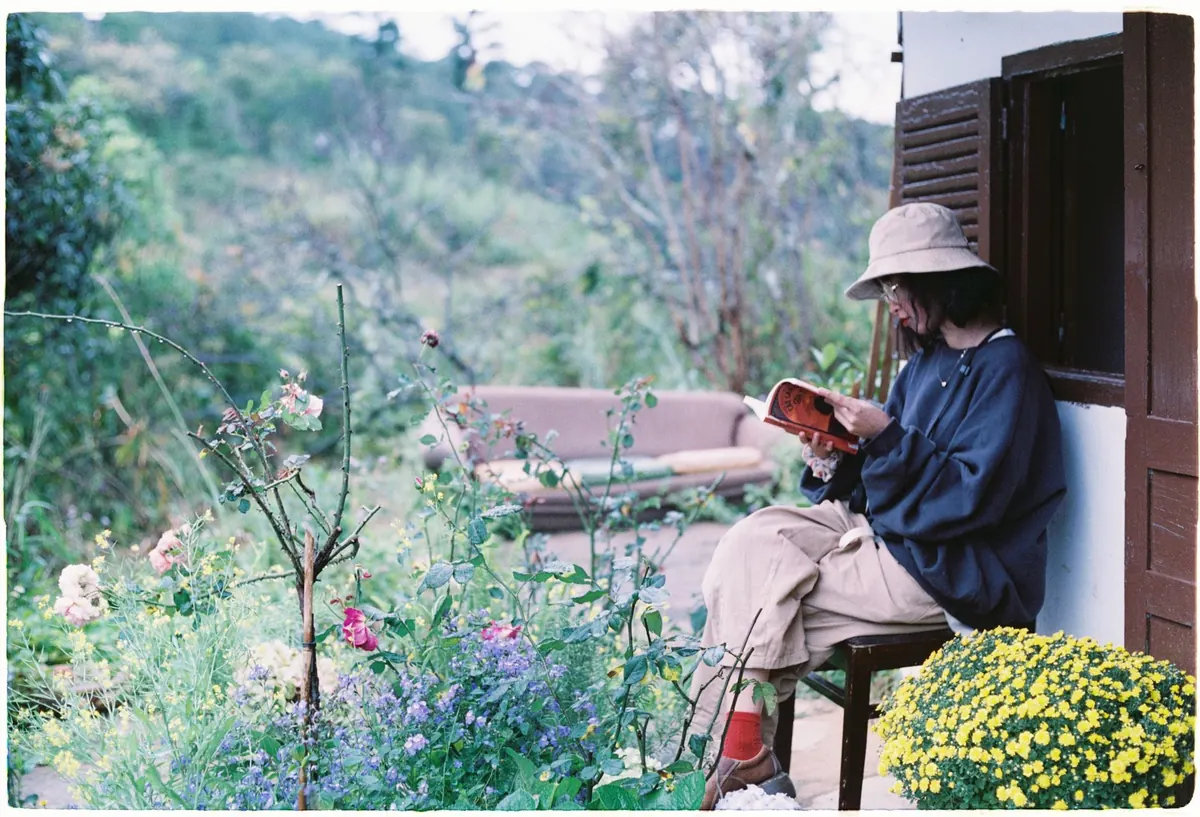
There is a particular kind of quiet in a cottage that has been shut since October. The air is stale, the floors are cold, and something has almost certainly been living in the woodpile. Reopening is less about turning things on than about turning them on in the right order. Do it out of sequence and you will spend June replacing a well pump, scrubbing a wall, or explaining a broken water heater to your insurance company. Do it in order and you will be on the dock with a coffee by Saturday afternoon.
What follows is the sequence we use: twenty-five points, grouped by the order in which you should actually walk through the place. Print it, fold it, tape it inside the door.
Arrival and the First Look (Points 1–6)
Before you unload the car, before you turn a single thing on, spend ten minutes doing nothing but looking and listening.
- 1. Unlock, step in, and stand still. Listen for running water, a humming pump, a buzzing fridge, wings in the chimney. A silent cottage is not proof of a dry one, but a noisy one tells you exactly where to start.
- 2. Smell the air at the door. If you catch propane or any gas, don't flip a switch, don't light a match. Leave, ventilate, and call a licensed technician. This is the one item on the list you never improvise.
- 3. Open everything. Doors, windows, screens, the hatch to the crawl space. Give it twenty minutes of cross-breeze before you start working. Stale air hides the smell of mould and dead rodents.
- 4. Walk the exterior first, in daylight. Roof from ground level, chimney cap, eaves, hydro meter, propane gauge, dock hardware and shoreline cribs. Photograph anything broken while the damage is still obvious.
- 5. Inspect the electrical panel. Look for tripped breakers, scorch marks, and animal nests. If there is water inside the panel, do not touch it — call an electrician.
- 6. Leave the water heater switched off. Dry-firing an element ruins it in seconds. Same rule for the well pump: no power until the system is checked.
Water Before Anything Else (Points 7–13)
Water does the most expensive damage and it does it fast. Give the plumbing your full attention for the first hour.
- 7. Find the main shutoff valve and confirm it is still closed. You want to be able to kill pressure in seconds if something lets go.
- 8. Relieve the system. Open the lowest tap in the cottage, then one high tap upstairs. That releases trapped pressure and lets air in behind the water.
- 9. Drain the antifreeze. If you charged the traps last fall, run the taps and let the pink stuff go. Non-toxic propylene glycol is fine for a septic bed; if you don't know what went in, catch it in a bucket and dispose of it properly.
- 10. Open the main valve slowly — a quarter turn at a time. Stand near the manifold and listen. Slow is the entire trick here.
- 11. Walk the visible plumbing while pressure builds. Under every sink, behind each toilet, at the pressure tank, the water heater drain valve, the T&P pipe, and the washing machine hoses. A drip you find in the first minute is a drip you fix before lunch.
- 12. Prime and start the pump, then watch the gauge. If it short-cycles — on, off, on within seconds — suspect a leaking line, a waterlogged pressure tank, or a failing check valve.
- 13. Run every fixture, farthest one first, hot and cold. Fill the traps and watch how each drain behaves. A slow drain now means a plugged vent or something still frozen further along the line.
Power, Heat and the Small Machines (Points 14–18)
- 14. Reset breakers one at a time and listen to the place between each one. Lights first, then heat, then the pump, then the water heater. Staggering the load keeps a cold, cranky system from tripping.
- 15. Deal with the fridge and freezer. Check the door gaskets, vacuum the coils, and throw out anything that spent the winter inside. If you are wavering about a jar, toss it.
- 16. Service the smoke and carbon monoxide alarms. Fresh batteries, vacuumed sensors, and a look at the manufacture date — most units are replaced on a ten-year cycle regardless of how they test.
- 17. Check the fire extinguishers. Gauge in the green, pin in place, and one within reach of both the kitchen and the woodstove.
- 18. Open the propane tank valve slowly, then brush soapy water on every connection and watch for bubbles. Light a stove burner before you ask the furnace to warm a cold building.
Mould, Damp and Pests (Points 19–22)
- 19. Hunt the cold-warm seams. Windowsills, exterior wall corners behind beds, the ceiling around the chimney, north-side closets, the cabinet under the sink. Condensation shows up there first.
- 20. Treat small surface patches with warm soapy water, dry the area completely, and fix the moisture source — usually ventilation or a slow leak. Extensive or recurring growth, or a musty smell through the whole building, is work for a professional. If anyone in the family has asthma or allergies, get proper advice before spending a weekend in it.
- 21. Look for rodent sign: droppings in drawers, chewed cereal boxes, shredded insulation near the foundation, nests in the stove burners. Set traps tight against walls and seal gaps with steel wool and caulking — a mouse needs an opening about the size of a dime.
- 22. Scan the exterior with binoculars. Wasp nests under the eaves, birds in the dryer vent, bats at the peak, squirrels in the soffit. Make sure every screen that will be open this summer is intact.
The Last Three (Points 23–25)
- 23. Bring the water heater online. Confirm it is full, check the fittings again, then power it. Run a hot tap until it runs hot before anyone plans a shower.
- 24. Load-test the whole system. Shower, flush a toilet, run the dishwasher and the laundry at the same time. That is when weak spots announce themselves.
- 25. Write it down. Date a note in a drawer or on your phone: what you fixed, what needs attention in June, what to bring next trip. Tape this checklist inside the door so October closing is easier than this was.
Before You Lock Up on Sunday
If you are back most weekends, leave the water on and the heat at a modest setting so nothing freezes between visits. If you will be away for weeks, shut off the main valve, drain the lines and the water heater, and leave cabinet doors under sinks cracked open to let warm air circulate past the pipes.
Set a couple of mousetraps on your way out, even if you saw no sign. Empty the fridge of anything perishable, take the garbage with you, and leave a note on the kitchen table for whoever arrives next. Twenty minutes of care on Sunday saves an afternoon of work in July.
Photo: Ánh Đặng / Pexels