
Buying Your First Lake House: What Inspectors, Insurers and Neighbours Want You to Know
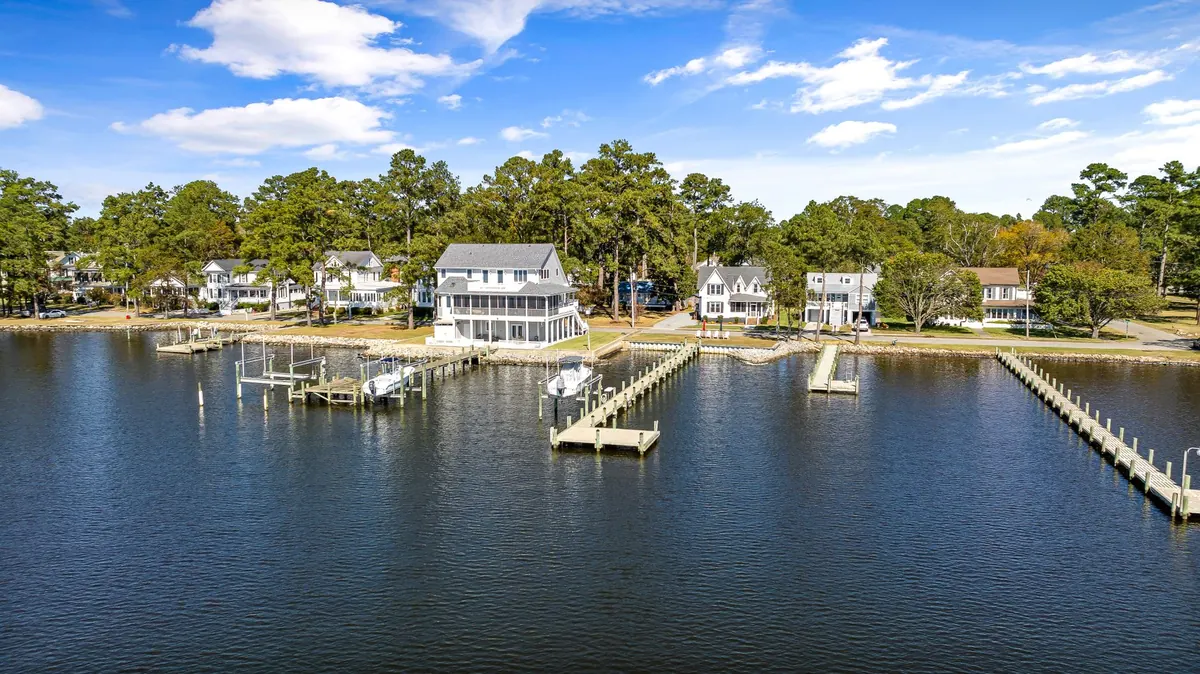
A lake house looks simple from the dock: water, sun, a screen door that slaps shut behind you. The paperwork is less simple. Between the shoreline deed, the septic system, the well, the flood map and the road association, a lake property asks you to think about a few things a house on a city lot never does. None of it is a reason to walk away. It is a reason to ask better questions before you fall for the view.
Start with the shoreline, not the house
On many lakes, the lot line and the water's edge are not the same thing. A deed that says "to the water" may still leave the lakebed in state hands, or stop your ownership at the ordinary high water mark. You may have a right to build a dock, or you may have an easement shared with three neighbours and a permit that expires.
Before you get attached, gather three documents: the deed, the recorded plat or survey, and any easements attached to the property. A surveyor who works in that county can tell you where your boundaries actually sit and whether the dock, boathouse or shed crosses onto someone else's land or into protected water. Then check with the town or county clerk and the state environmental agency about what you are allowed to build, dredge, mow or clear along the shore. Buffer rules, dock length limits and no-wake zones vary wildly from one lake to the next, even within the same county.
Septic and well: the systems that fail quietly
Lake lots are often small and close to the water, which is exactly the situation septic systems handle worst. Ask the local health department for the permit file, not just the seller's word. Two questions matter most: how big is the system, and was it designed for year-round use or only for summer weekends? A cabin built for six weekends a year can be badly overloaded by a family living there full time.
Watch for holding tanks, which must be pumped rather than drained, and for older systems that were grandfathered in but must be replaced when the property changes hands. If the tank has not been pumped in years, or the drain field sits in heavy clay, budget for a replacement before you make an offer.
On the well side, use a certified lab. Test for bacteria and nitrates at minimum, and ask what else is common in the region — arsenic, iron, manganese and hardness all show up in certain areas. Ask how deep the well is and how it performs in a dry August, when the neighbours are also watering lawns and filling tubs. Distance between the well, the septic field and the lake matters too.
Septic and water rules are set locally, and they change. Confirm the details with your county health department and a licensed septic professional before you rely on them.
What a lake-area inspector looks for
A good general home inspector is worth the money. A lake-experienced one is worth more. The difference shows up in the places water has been working on the property for decades: cribbing under the dock, a retaining wall that has started to lean, erosion behind the seawall, ice damage to siding and stairs.
Ask them to check the crawlspace or basement after a wet spell, not in a dry week. Frost heave, ice damming, tree debris on the roof and damp crawlspaces are ordinary on lake properties and expensive to fix after the fact. So is a dock that looks fine in July and gets crushed by February ice.
Questions to ask before you hire an inspector
- How many lakefront properties have you inspected this season?
- Do you assess docks, seawalls and boathouses, or only the house?
- Will you review the septic and well records with me?
- Do you check drainage and grade between the house and the water?
- Does the report note the elevation of the lowest floor and any past water intrusion?
Insurance: flood, wind and the fine print
Flood insurance is the piece buyers most often get wrong. If the property sits in a Special Flood Hazard Area, your lender will typically require coverage, and an elevation certificate usually decides what it costs. Even outside the mapped zone, low-lying lots near a lake can flood, and standard homeowners policies exclude rising water.
Then read the exclusions. Docks, boathouses and seawalls are often listed separately or left out entirely. Many policies limit coverage when a home sits unoccupied for more than a set number of days, which matters if you plan to leave it empty through winter. Wind, hail and ice damage may carry their own deductible. Ask an independent agent who writes policies in that county to quote the property while you still have a financing contingency — before you fall in love with the address.
Neighbours, access and the rules nobody hands you
If the road in is private, somebody plows it, and somebody pays for it. Find the road association agreement in writing. Ask about annual dues, shared culvert repairs and what happens if a neighbour stops contributing. The same goes for a shared dock, a common beach or a right-of-way across someone's field.
Talk to two neighbours — not about the seller, but about winter. How high does the water get in spring? Does the road ice over? How loud is the lake on a July weekend? What does the lake association regulate? You will learn more in ten minutes than in an hour with the listing photos.
A lake-house due-diligence checklist
- Pull the deed, plat and survey; confirm where your land ends and the water begins.
- Request septic permits and pumping records from the county health department.
- Test the well through a certified lab and ask about late-summer yield.
- Hire a lake-experienced inspector and walk the shoreline with them.
- Get insurance quotes for flood, wind and liability before removing any contingency.
- Read the road association agreement, easements and lake association rules.
- Verify dock, seawall and dredging permits with the state or county.
- Visit off-season, ideally the day after a hard rain.
Before you sign
Keep your inspection, septic, water-quality and financing contingencies intact, even in a competitive market. They are the only window you get to walk away without losing your deposit, and on a lake property they tend to earn their keep. Build a line item in your budget for shoreline upkeep — walls, docks and drainage are recurring costs, not one-time purchases.
Do your homework, ask blunt questions and get local professionals to confirm anything about title, permits, insurance or septic that you are not certain of. A lake house rewards the buyer who looked past the sunset and checked what holds it all up.
Photo: Curtis Adams / Pexels