
How to Winterize a Lakeside Cabin: A Step-by-Step Guide Before the First Freeze
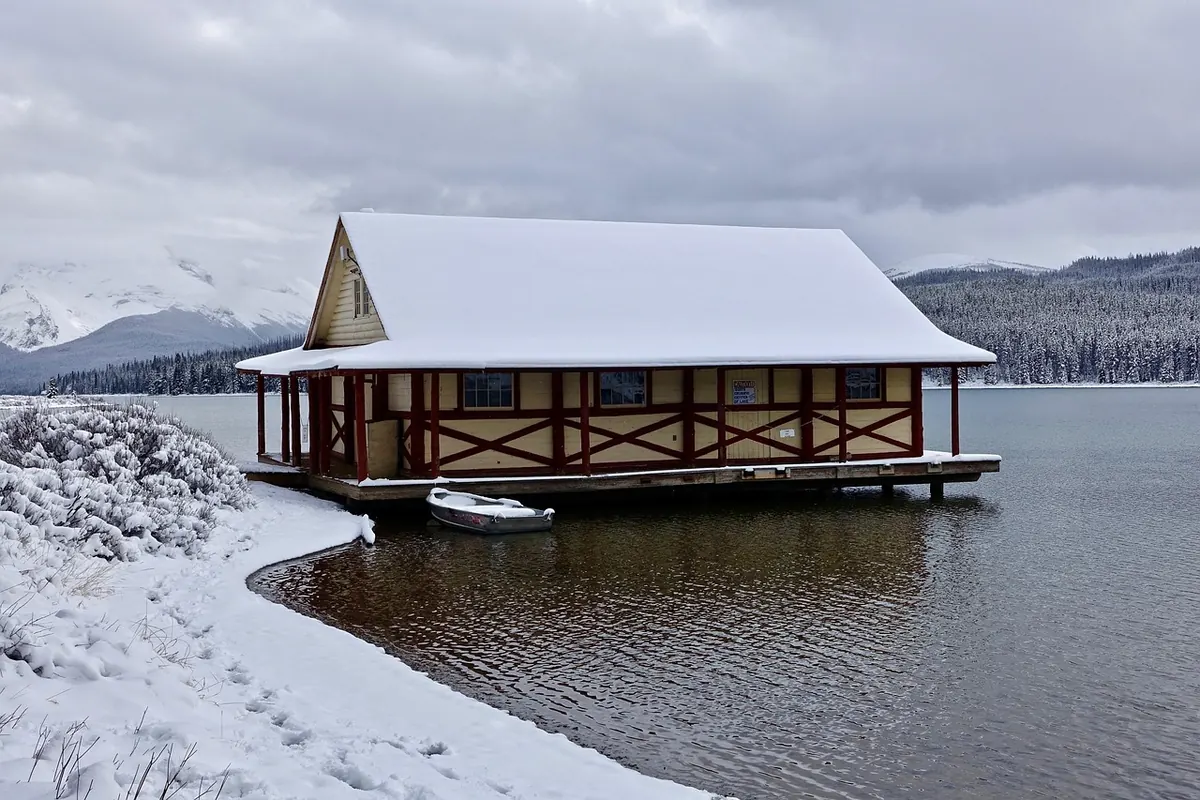
How to Winterize a Lakeside Cabin: A Step-by-Step Guide Before the First Freeze
Every lakeside cabin has a season of small, quiet failures. A copper elbow that splits at two in the morning. A toilet tank that cracks down one side. A screen door you find standing open to the snow in April, because the latch shifted and let go. None of it is dramatic, and all of it is expensive. Almost every winter problem at a lake place can be prevented in a single weekend — provided you do the jobs in the right order.
That order matters because some tasks protect others. You do not want to seal a crawlspace vent after the pipes beneath it have already frozen. You do not want to drain the water heater after the power is off and you are working by flashlight. Start with water, move outward to the building envelope, and finish with the things that only matter when the place is empty.
Start With the Water — Always
Water is the only item on this list that can wreck a cabin from the inside out, so it goes first. Everything else can wait a day. Plumbing cannot.
Shut the water off at the source: the well pump, the pressure tank, or the meter at the road. Then open every faucet in the house, working from the top floor down, and leave them open. Find the lowest drain valve in the system — usually near the water heater or in the basement — and let gravity do the rest.
If your cabin has a jet pump and pressure tank, shut the pump breaker first, then open a laundry sink or tub faucet to release pressure. If the cabin draws from a shared lake system or a community well, shut the valve at the property line and tag it so a neighbor does not turn it back on. It sounds obvious. It gets missed every year.
The water heater needs attention too. Cut the power or the gas before you touch the drain valve, empty the tank completely, and leave the valve open all winter. A tank that holds even a few gallons can rust from the inside, split a fitting, or send water across the floor when the next thaw arrives.
Traps are where people get caught. A sink trap holds a cup of water that will freeze, expand, and split the pipe. Pour a cup of non-toxic propylene glycol antifreeze — the pink RV kind — into every sink, tub, laundry standpipe, and floor drain. Never use automotive antifreeze. It is toxic, and a lakeside cabin means pets, kids, and wildlife nearby. Toilets need the same treatment: flush, sponge the tank and bowl dry, then add antifreeze to both.
Do not forget the small places: the ice maker line, the refrigerator water dispenser, the humidifier line, the washing machine hoses, and the outdoor shower. Disconnect hoses, drain them, and store them inside. A single forgotten supply line behind a refrigerator can do as much damage as a burst pipe under the sink.
If you own a compressor and know how to use it, blow the lines out at low pressure. If you don't, hire a plumber for an afternoon. It is the least expensive insurance you will buy all year.
If You Plan to Keep Some Heat On
Some owners skip the drain entirely and leave the thermostat at 55°F. That works, right up until the power goes out during a January storm while you are four hours away. If you take this route, build in a backup: a low-temperature alarm that reaches your phone, a neighbor who walks through the place after storms, or both. Even then, drain the outdoor lines, the dock line, and the water heater.
Set the thermostat at 55°F, not 50°F. The difference is small on the bill and large when a cold snap pushes an unheated corner below freezing. Keep cabinet doors under sinks open so warm air reaches the pipes. If the cabin has a basement or crawlspace, leave an interior access door cracked. And never rely on a single heat source. A propane wall heater with a standing pilot can go out. A baseboard system can trip a breaker. Redundancy is the point.
Sealing Gaps, Vents, and Small Openings
Mice do more winter damage to cabins than frost does. They squeeze through openings the size of a dime, and once inside they chew wiring, insulation, and the upholstery you hoped to keep.
Walk the exterior with a tube of exterior-grade caulk and a can of spray foam. The usual entry points: where the water line and electrical conduit pass through the foundation, hose bibs, dryer vents, the gap under each exterior door, and the seam where siding meets the foundation wall. Pack anything larger than a pencil with copper mesh or steel wool first, then seal over it. Mice chew through foam. They do not chew through steel wool.
Then handle the openings you actually want to keep working:
- Chimney and flue: Close the damper, but leave a small gap if the fireplace is the only vent for a gas appliance. Cap the chimney to keep rain, snow, and squirrels out. If you use the fireplace in winter, have the flue cleaned before the season starts.
- Foundation vents: In a vented crawlspace, close the vents after the first hard freeze but before deep winter. If your crawlspace holds plumbing, insulate the pipes and seal the vents with rigid foam panels rather than stuffing them with rags.
- Dryer and bath vents: Make sure the exterior flap closes tight. A stuck vent lets in cold air, snow, and small animals. Clean the lint trap line before you leave; a clogged dryer vent is a fire risk whether the cabin is occupied or not.
- Attic and roof vents: Do not seal attic vents completely. They need to breathe to prevent moisture and ice dams. Instead, check that screens are intact and that no bird or squirrel has pulled the mesh loose.
- Doors and windows: Install door sweeps, replace worn weatherstripping, and add shrink film to old single-pane windows. A cheap storm window made from plastic and tape can raise the interior temperature several degrees and reduce heating demand.
Docks, Boats, and Outdoor Water Lines
The lake itself needs winterizing too, and this is the part that separates a smooth spring from a costly one. Pull the dock if it is removable. If it stays in, remove the dock ladder, bumpers, and anything that can trap ice and bend metal. Ice moves with wind and current; it does not care how well you anchored last summer.
Drain the boat engine, lower the outboard, and change the lower-unit oil before storage. If you leave a boat in the water, add marine antifreeze to the engine block, check the bilge, and double up on lines. A boat that freezes into the ice can be damaged when the thaw shifts. A boat that sinks at the dock is a spring project nobody wants.
Outdoor water lines are their own category. Drain the line to the dock, the sprinkler system, the garden hose bibs, and the outdoor shower. Open the hose bibs and leave them open. If the line has a shutoff valve inside, drain the section between the valve and the exterior. Water trapped in that short run is a common and expensive break.
Store outdoor furniture, grills, and tools. Clean the grill, disconnect the propane tank, and store it upright outside — never in a basement or garage. Bring in cushions, hammocks, and anything fabric that mice would love. A plastic bin with a lid is better than a tarp, which traps moisture and invites rodents underneath.
Power, Security, and the Last Walkthrough
Before you lock the door, think about what the cabin will do when no one is watching. Unplug electronics, small appliances, and chargers. Turn off the water heater, the well pump, and any exterior lights on timers that will only burn out by February. Leave a few interior lights on a random timer so the place does not look empty.
Check the smoke and carbon monoxide detectors. Replace the batteries even if they still work. A cabin that sits empty is not a place where a dead detector will be noticed. If you keep the heat on, make sure the furnace has a fresh filter and the propane tank is above half. If you shut everything down, leave the main breaker on only for the circuits that power the alarm and the sump pump, if you have one.
Walk the property one last time. Look up at the roof for loose shingles. Look down at the foundation for fresh cracks. Look inside every cabinet under every sink. Listen for water where water should not be. It takes twenty minutes. It saves thousands.
Winterizing is not about making the cabin uncomfortable. It is about making the cabin indifferent to winter. The goal is a building that can sit alone for five months and need nothing from you but a visit in spring.
A Final Checklist Before the First Freeze
Use this as a last pass. It is not a substitute for the details above, but it keeps the order straight when the daylight is going and the first snow is in the forecast.
- Shut off the water at the well, pressure tank, or meter.
- Open every faucet, drain the lowest valve, and empty the water heater.
- Add propylene glycol to traps, toilets, and floor drains.
- Blow out lines or hire a plumber to do it.
- Disconnect hoses, ice maker lines, and outdoor water lines.
- Set heat at 55°F or drain the system completely.
- Seal gaps with caulk, foam, copper mesh, and steel wool.
- Close foundation vents, check roof and dryer vents.
- Pull or secure the dock, boat, and outdoor furniture.
- Unplug electronics, check alarms, and do a final walkthrough.
Do these jobs in this order and the cabin will meet spring the way it should: quiet, dry, and exactly as you left it. The ice will come. The pipes will not care.
Photo: MemoryCatcher / Pixabay